Tulip Wonders: 7 Intriguing Facts You Probably Didn't Know
Posted on 17/06/2025
Tulip Wonders: 7 Intriguing Facts You Probably Didn't Know
When you think of spring gardens bursting with color, tulips are surely among the first flowers that come to mind. These iconic blooms are steeped in rich history, global commerce, and captivating science. Yet, there's more to tulips than meets the eye. In this comprehensive guide, we'll delve into 7 tulip wonders and fascinating secrets that even the biggest flower buffs may not know.
1. Tulips Didn't Originate in the Netherlands
The association between tulips and the Netherlands is so strong that many people assume these blooms originated there. However, the true origins of tulips lie elsewhere!
- Tulips originated in Central Asia and were first cultivated as early as the 10th century.
- They flourished in the mountainous regions stretching from Turkey to Northern India.
- The name "tulip" is derived from the Persian word for "turban," thanks to the flower's similarly shaped bloom.
- Ottoman sultans admired tulips so much that the flowers became a symbol of wealth and royalty.
It was only in the 16th century that tulip bulbs made their way westward into Europe--eventually blooming into a phenomenon in the Netherlands, where sandy soil and maritime climate created the perfect conditions for cultivation.
How Did Tulips Conquer Holland?
Flemish botanist Carolus Clusius played a pivotal role in popularizing tulips across Western Europe, especially in the Netherlands. His keen research and cultivation at the Leiden University botanical garden set the stage for tulip mania. Stay tuned for more on that financial frenzy later!
2. Tulip Mania: The First Economic Bubble
When discussing fascinating tulip facts, we can't overlook the world's first recorded financial bubble, known as Tulip Mania.
- In the 1630s, rare tulip bulbs became an object of obsessive speculation in the Dutch Golden Age.
- Prices for certain striped or "broken" tulips (caused by a virus) soared to astonishing heights.
- Some bulbs reportedly sold for as much as a luxurious canal house in Amsterdam!
- The bubble burst dramatically in 1637, leaving many speculators in financial turmoil.
Tulip Mania remains one of the most famous examples of market frenzy, illustrating the psychological and financial risks of speculative investing. Its legacy? The phrase "tulipomania" now describes any economic bubble characterized by rapid price escalation and equally swift collapse.
What Caused the Craze?
The cause was partly the flower's rarity and unique patterns, heightened by clever marketing and a touch of social status among the Dutch elite.
3. There Are Over 3,000 Varieties of Tulips
If you thought tulips were a single type of flower, think again! Today, there are over 3,000 registered tulip varieties grouped into 15 official classes--ranging from classic Darwin hybrids to fragrant double-late and fringed tulips.
- Single Early: The classic, cup-shaped tulip, among the first to bloom in spring.
- Double Late: Also known as "peony" tulips for their multi-petaled fullness.
- Parrot: These striking blooms have feathery, ruffled petals often streaked with color.
- Viridiflora: Famous for their unusual green-tinged petals.
- Rembrandt: Striped beauties resulting from a historical, benign viral infection.
Whether you prefer single, double, fringed, or multi-colored tulips, there's a tulip variety to enchant every gardener and floral enthusiast.
A Rainbow of Hues
Tulips exist in almost every color, except true blue. From passionate reds and sunny yellows to dramatic purples and pastel pinks, tulip wonders showcase nature's astonishing palette.
4. The Mysterious "Broken Tulip"
Among the most mesmerizing types of tulips are the so-called "broken tulips," distinguished by their flame-like, striped petals. But what's behind their beauty?
- The stunning patterns are caused by the Tulip Breaking Virus (TBV), which disrupts the plant's pigmentation process.
- Historically treasured for their exotic appearance, broken tulips were extremely sought after during Tulip Mania.
- Unfortunately, TBV weakens the bulb over time, making it unsustainable for large-scale cultivation.
Today, modern breeding techniques allow for beautiful, virus-free streaked tulips, ensuring the "broken" look continues to fascinate gardeners--but without the risks to the plant's health.
Famous Broken Varieties
Some of the most legendary tulip varieties--like the Semper Augustus--fall into this category. Revered for its vivid crimson flames against a pure white background, Semper Augustus was once the most expensive tulip in the world!
5. Tulips Have Edible (and Ancient) Uses
Did you know that tulip bulbs were once eaten for survival? This is one tulip fact that often astonishes modern readers.
- During World War II's Hunger Winter of 1944-45, Dutch families resorted to eating tulip bulbs to stave off famine.
- Though not exactly tasty, bulbs can be boiled or ground into flour in extreme circumstances.
- In the Victorian Era, tulip petals occasionally adorned salads and desserts.
Caution: While tulip petals are generally considered non-toxic, the bulbs themselves may cause stomach upset if consumed in quantity. Always consult edible plant experts before sampling any tulip parts.
Tulips in Folk Medicine
Throughout history, tulip extracts have been used in folk remedies to treat coughs, colds, and digestive complaints--though scientific evidence is limited. Today, tulip-based skincare products are gaining popularity for their purported soothing, hydrating properties.
6. The Largest Tulip Festival in the World
Every spring, people across the globe flock to celebrate the wonders of tulips. But one festival rises above the rest in both scale and splendor:
- Keukenhof Gardens in Lisse, Netherlands is the world's best-known tulip spectacle.
- Over 7 million tulip bulbs are planted annually across 32 hectares of lush gardens.
- The festival draws hundreds of thousands of visitors from every corner of the globe between March and May.
From vibrant parades in Spalding (UK) to floral fireworks in Canada's Ottawa Tulip Festival, these events celebrate not only the beauty of tulips but also their power to unite cultures and inspire creativity.
A Symbol of Peace and Friendship
The Ottawa Tulip Festival holds extra significance--its origin ties back to World War II, when the Dutch royal family found safe refuge in Canada. Each year, the Netherlands sends 20,000 tulip bulbs to Ottawa as a sign of gratitude and international friendship.
7. Tulip Symbolism: More Than Just a Pretty Flower
What do tulips symbolize? These blossoms carry a wealth of cultural and emotional meaning:
- Love and Romance: In Persian, Turkish, and Victorian traditions, red tulips declared deep love.
- Renewal and Spring: Tulips are among the first to bloom after winter, making them a universal symbol of rebirth and hope.
- Charity and Cheerfulness: The array of colors and upright shape embody positivity and giving.
- Elegance and Fame: In the language of flowers (floriography), tulips represent fame, wealth, and respect.
Each color holds its own special meaning. For example, yellow tulips convey cheerful thoughts, while purple tulips suggest royalty and admiration. White tulips are often given as a gesture of apology or forgiveness.
Modern Tulip Gifting Trends
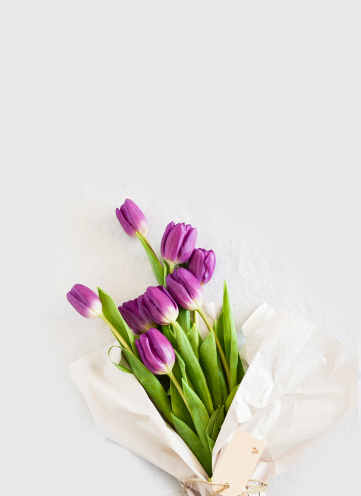
Tulip bouquets remain a popular choice for birthdays, anniversaries, weddings, and springtime celebration. Their diverse meanings and timeless elegance make them one of the most versatile and beloved gifts in the floral world.
*Bonus* Tulip Wonders: Fun Quick Facts
- The tallest tulip variety can grow up to 30 inches (76 cm) tall!
- Turkey's Sultan Ahmed III enjoyed a lavish "Tulip Era" marked by extravagant parties and tulip gardens in the 18th century.
- Some modern tulip cultivars are fragrant, with sweet and spicy notes, contrary to the common belief that tulips are scentless.
- Tulips are phototropic: They bend and grow towards the light--even after being cut!
A Lasting Legacy: Why Tulip Wonders Endure
From ancient Persian gardens to the Dutch Golden Age and modern fields ablaze with color, tulip wonders continue to enchant the world. Their story is one of migration, artistry, survival, and science. Whether in breathtaking gardens or humble backyards, the tulip's timeless allure reminds us of nature's beauty and resilience.
Next time you spot a tulip, remember: You're not just looking at a flower, but at a centuries-old chapter of human imagination, ingenuity, and love for the wonders of the natural world.
Frequently Asked Questions About Tulip Facts
Are tulips annuals or perennials?
Tulips are technically perennial, but many hybrids perform best in their first year if not grown in ideal conditions. That's why gardeners often replant bulbs each autumn for maximum blooms.
Can tulips be grown indoors?
Yes! Using the "forcing" method, you can chill bulbs, then plant them in pots indoors for winter or early spring blooms--bringing a taste of tulip wonders right into your living room.
Which country is the world's top tulip producer today?
The Netherlands still leads, accounting for over 70% of global tulip bulb production and exports. However, large fields can also be found in Turkey, Iran, and regions of the United States and Canada.
What's the rarest tulip color?
After centuries of selective breeding, pure blue tulips still remain elusive. Breeders have created violet and bluish hues, but a true blue tulip has yet to appear.
Discover More Tulip Wonders!
If you've enjoyed learning these 7 intriguing tulip facts, share your new knowledge by visiting a local tulip festival, planting some bulbs, or gifting a vibrant bouquet. Celebrate the wonders of tulips--flowers whose colorful history is as rich as their blossoms.
Keep exploring the world of flowers for more secrets, tips, and stories about your favorite blooms!